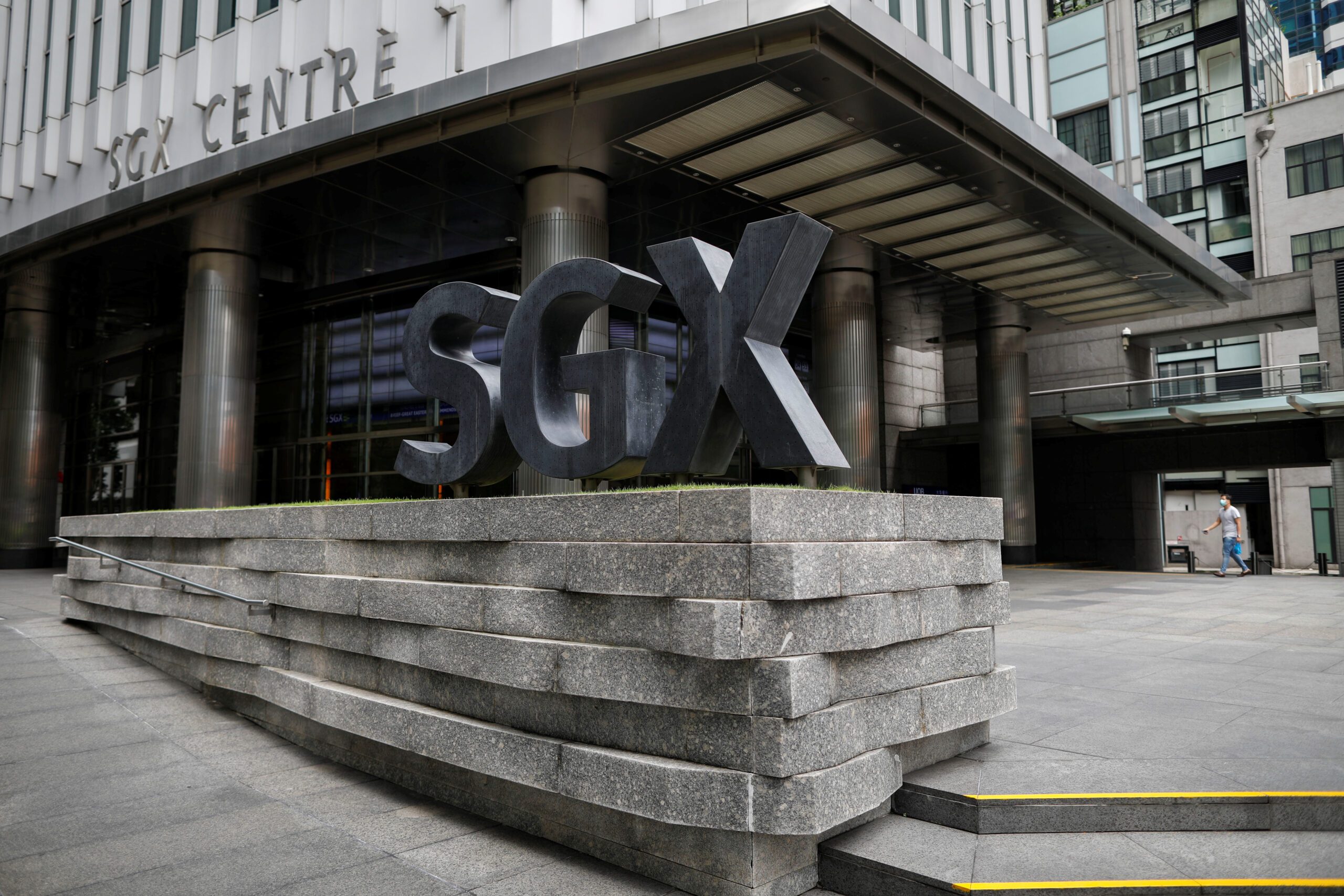
A Singaporean initiative to boost the IPO market with a fast-track route to a Nasdaq dual listing has garnered a warm response from potential issuers, though bankers caution that thin liquidity and a high valuation requirement could limit take-up.
The initiative, announced on November 19, will let companies list simultaneously on the Singapore Exchange and Nasdaq using a single prospectus in their application, cutting the cost and complexity of a second listing that firms pursue primarily to access capital from a broader investor base.
Described by Nasdaq as “the first of its kind”, the plan is set to go live by mid-2026. It follows tax rebates and other measures over the past year from a city-state striving to woo mainly Southeast Asian companies while also courting global issuers in an effort to catch up with regional rival Hong Kong.
Those measures are starting to have an impact as IPOs in Singapore raised about $2.15 billion in 2025, the most since 2017. Still, that compared with $37.2 billion in Hong Kong’s best performance since 2021, LSEG data showed.
Having watched on as Hong Kong experienced an AI-fuelled IPO boom over the past two years, Singapore is banking on Nasdaq’s cachet to help it regain ground and cement its role as a regional hub for growth companies seeking global capital.
Welcoming the tie-up was Singapore-based Carro, backed by state investor Temasek and Japanese tech investor SoftBank Group. The auto marketplace aims for a US IPO with a valuation at over $3 billion, Reuters has reported.
“Our hesitation for a dual listing has always been complexity and the need to deal with two regulators during an IPO,” co-founder and CEO Aaron Tan told Reuters.
Malaysia-based used-car trading platform Carsome described the initiative as “constructive”.
“A structure that streamlines cross-border listings will naturally prompt companies to reassess the options available to them,” said co-founder and CEO Eric Cheng.
Singapore-based Funding Societies, a regional digital financing platform for small businesses, said the tie-up could offer Southeast Asian startups a means of listing in the U.S. which might otherwise be out of reach.
The CEO of Singapore-based Hummingbird Bioscience, Piers Ingram, told Reuters the initiative is “a bridge” opening the way to science-focused investors in the U.S. as well as Asia.
All four companies declined to elaborate on any IPO plans.
High threshold, low liquidity
Branded the Global Listing Board, the initiative will allow firms with a market value of at least S$2 billion ($1.55 billion) to prepare a single prospectus for SGX and Nasdaq with a coordinated review replacing two separate processes.
By way of comparison, a secondary listing on Hong Kong’s main board requires a valuation of at least HK$3 billion ($385 million), along with sundry other conditions.
The higher threshold reflects the quality of the companies that SGX and Nasdaq are targeting but also limits prospective applicants to established growth firms, bankers said.
About eight Southeast Asian tech firms meet the threshold, with another two to three potentially close to achieving that, said Roshan Raj, partner at RedSeer Strategy Consultants.
The threshold is “sizeable enough to support meaningful trading volumes and liquidity across both markets,” said Pol de Win, head of global sales and origination at SGX.
While Southeast Asian applicants would benefit from greater regional recognition in Singapore, the city-state will still have to persuade them to list in a market long characterised by thin liquidity, bankers said.
Average daily turnover was about $1.39 billion in November versus $29 billion in Hong Kong, latest figures showed.
Singapore has introduced measures to boost liquidity, such as establishing an almost $4 billion fund to support investment managers focusing on small- and mid-cap equities.
The dual listing initiative is a positive step but its “broader impact will depend on early deal flow, liquidity support and whether the Singapore regulatory authorities subsequently relax thresholds,” said Tay Hwee Ling, capital markets services leader at Deloitte Southeast Asia.
A Monetary Authority of Singapore spokesperson said MAS is working with SGX on a streamlined regulatory framework for those seeking to list on the Global Listing Board, while SGX’s de Win said success and transformation require industry-wide effort.
“SGX is working closely with the Singapore government agencies and market participants on a comprehensive approach that further strengthens supply, stimulates demand and builds a pro-business ecosystem with robust governance,” de Win said.
Reuters