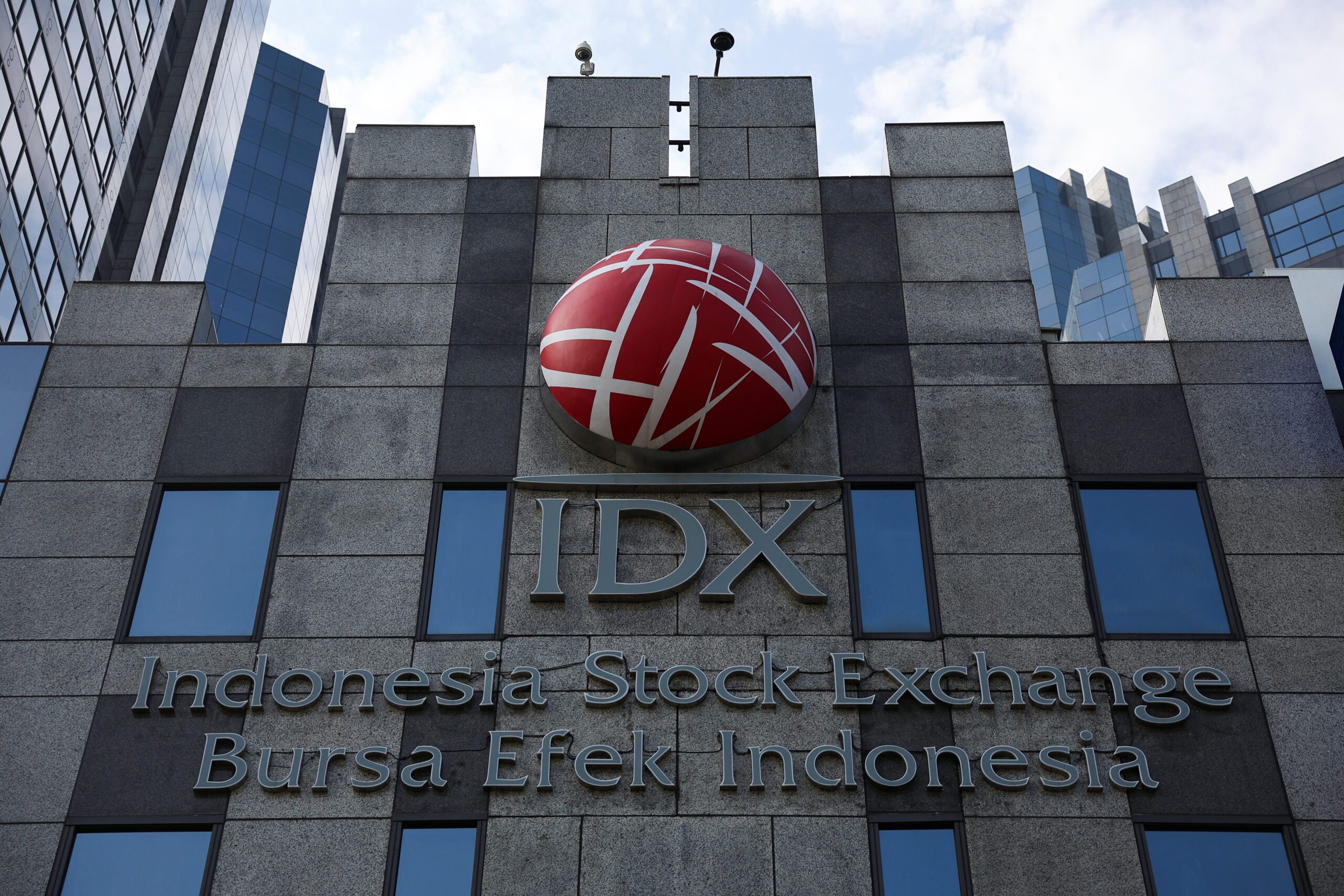
Indonesian markets face a nervous start on Monday after a tumultuous week in which a warning from MSCI over transparency concerns triggered an $80 billion stock rout and the sudden resignation of the country’s top financial regulators.
The benchmark Jakarta Composite Index slid nearly 7% last week, its steepest drop in a year, although the stocks recouped some losses on Friday after a slew of measures were announced to allay some of index provider MSCI’s concerns.
Indonesia’s Financial Services Authority (OJK) said late Friday its chief had quit along with three senior officials, including his deputy and the head of capital markets. Indonesia Stock Exchange chief Iman Rachman also resigned on Friday.
The departures came after MSCI flagged concerns about ownership and trading transparency in Indonesian stocks on Wednesday, warning that the market could be downgraded to “frontier” status if it did not resolve the issues by May.
Jeffrosenberg Lim, head of research at Maybank Sekuritas, said the market may initially react to the resignations with “uncertainty and questions.”
“This could act as a short-term negative catalyst at the start… The speed at which market optimism returns will depend on the government’s ability to appoint credible leadership and to outline a clear, comprehensive reform roadmap for a healthier capital market,” Lim said.
Global investors have been rushing for the exit due to rising concerns about President Prabowo Subianto widening the fiscal deficit and expanding state involvement in financial markets.
Foreigners sold a net of around $736 million worth of shares since Wednesday, exchange data showed. They sold $1 billion worth of shares in 2025.
Worries about the central bank’s independence after Prabowo’s nephew was appointed to Bank Indonesia in January are also shaking investor confidence.
The Indonesian rupiah IDR= has been rooted near the record low of 16,985 per U.S. dollar it touched in January.
Reuters