Asia GP-led secondaries—capital, conviction, and the maturing market

Asia GP-led secondaries—capital, conviction, and the maturing market

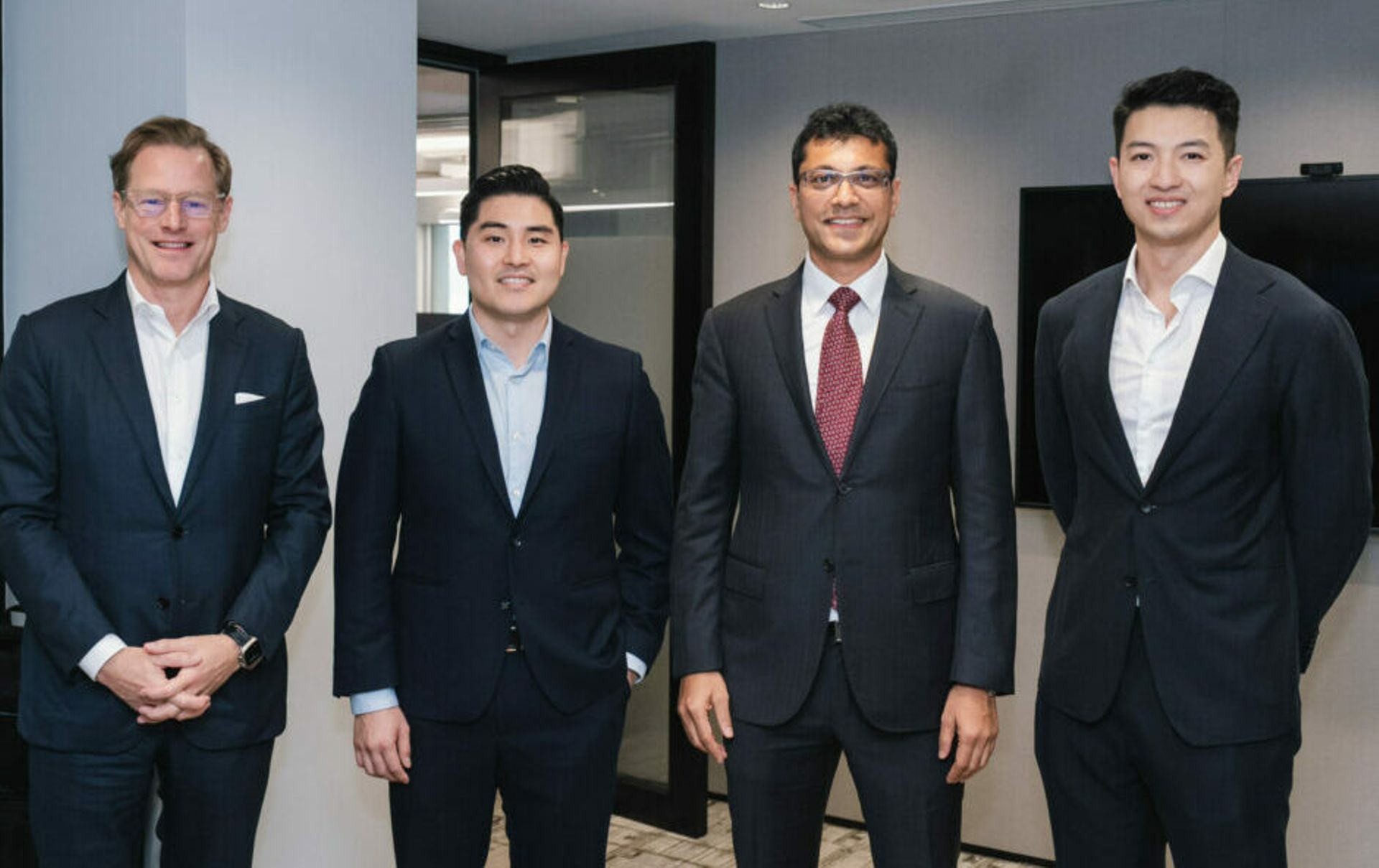
From L to R: Ben Hart, Senior Managing Director and Head of APAC at Evercore, Roy Kim, Partner, TPG NewQuest, Piyush Gupta, Founder and Managing Partner of Kenro Capital, Michael Weng, Principal, Private Equity Asia at CPP Investments

Asia’s GP-led secondaries market is no longer struggling for relevance. The harder question now is whether it can scale with discipline.

The stigma that once surrounded continuation vehicles has faded materially. Where these structures were once associated with distressed assets or exits that could not be completed cleanly, the better transactions today are built around companies that GPs know well, still want to own, and believe can compound further.

For LPs, these structures offer liquidity, re-underwriting discipline and a choice between exit and continued exposure. For secondary buyers, they provide access to assets that may not otherwise come to market.

The recent DealStreetAsia Asia GP-Led Secondaries Leadership Roundtable brought together senior practitioners to examine where the market really stands. The roundtable saw participation from Roy Kim, Partner, TPG NewQuest; Michael Weng, Principal, Private Equity Asia, CPP Investments; Piyush Gupta, Founder and Managing Partner, Kenro Capital; and Ben Hart, Senior Managing Director and Head of APAC, Evercore.

Experts highlighted that underwriting in this market is asset-specific and bottom-up. TPG NewQuest’s approach is built on fundamental analysis of why an asset should command a particular valuation and how it is likely to evolve. Kenro Capital’s starting point is always the company itself: the sector, the management team’s execution, and sufficient operating history to assess performance across different business cycles. Every continuation vehicle that reaches CPP Investments is treated as a fresh underwriting exercise — a new deal that happens to involve an asset with which the institution already has familiarity.

The discount-to-NAV convention is the wrong frame for direct secondaries, where the starting point is the fair value of the specific asset. NAV itself is a variable concept — co-investors in the same company routinely report different marks — making any single figure an unreliable anchor. An asset priced in 2021 is ultimately subject to what the market is willing to pay for it today, not what it was worth at the peak of a different cycle, as Evercore observes.

For LPs managing portfolios across primaries, secondaries and continuation vehicles, the key is treating each as a different tool designed to deliver different outcomes. Overlapping exposure is not inherently a problem — doubling down on a conviction position can be the right call — but it requires careful monitoring within the context of overall portfolio construction.

The central structural challenge for Asia remains capital formation. 

Global secondaries platforms treat Asia as a minority allocation. As transaction sizes have grown from sub-$100 million to multi-hundred-million-dollar equity requirements, the question of who can credibly anchor a deal and provide certainty of execution becomes critical. Evercore points to a recent example of a global fund passing on a highly relevant Asia opportunity simply because the team did not want their first deal in the new fund to be an Asia transaction — the kind of dynamic that further limits buy-side capital and timing.

If a GP cannot articulate why a continuation vehicle is the best solution for the asset and how to align key stakeholders, how the process is run becomes largely irrelevant. The overall story must be coherent from top to bottom.

For deeper insights, download the PDF of the DealStreetAsia Leadership Roundtable: GP-Led Secondaries — Capital, Conviction, and the Maturing Market.

Bring stories like this into your inbox every day.

Sign up for our newsletter - The Daily Brief
Subscribe to Newsletter


This is your last free story for the month. Register to continue reading our content