China is back on the agenda for Asian private equity, though not as the default allocation. After a period of retrenchment, the market is drawing attention, with experienced managers emphasising that disciplined underwriting and operational execution can unlock value in mispriced assets.
“Investors — both Limited Partners and General Partners — are still working out how to best navigate what can be called the new China or China 3.0, as it were,” said Doug Coulter, Partner at LGT Capital Partners.
For much of the post-GFC decade through 2021, Asian private equity often translated to China exposure, but sentiment shifted sharply to caution, with allocations paused and manager universes narrowed. The conversation is now moving from sentiment to mechanics: What clears investment committees, what structures protect downside, how RMB and USD capital interact, and how to plan liquidity from Day 1 amid uneven exits.
Hong Kong’s resurgence as a leading IPO venue has renewed interest, though private capital has not yet returned at scale.
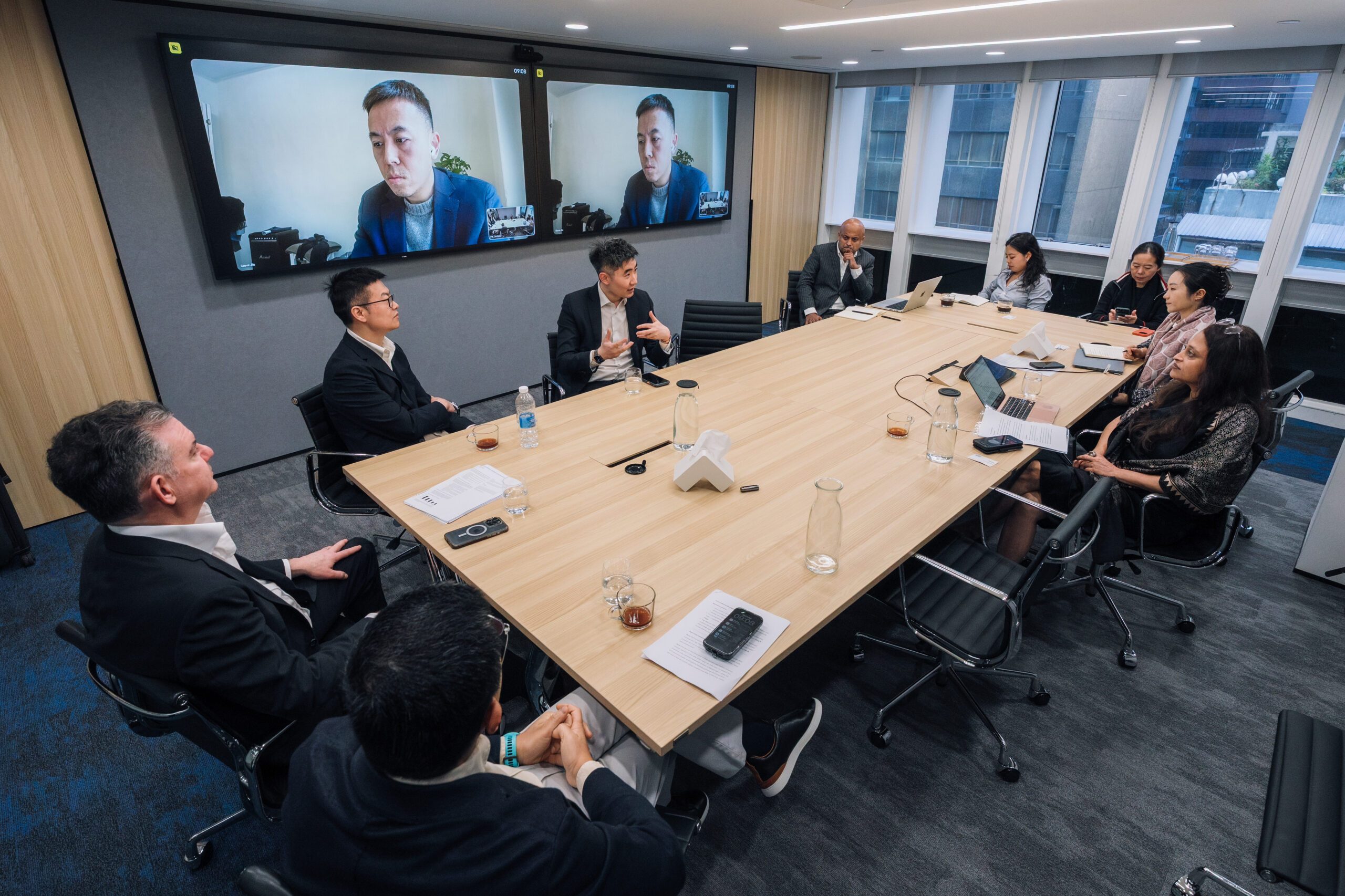
That was the premise of DealStreetAsia’s Leadership Roundtable: China Series held in Hong Kong – a small-table, technical conversation among five senior investors covering LP, sovereign wealth fund, and GP vantage points.
Leon Meng, Founding Managing Partner & CEO of Ascendent Capital Partners, described the reset as a collision of economic and geopolitical cycles, which has reshaped capital flows and risk appetite. David Wong, Partner and Co-Head of Private Equity at PAG, observed that Chinese private equity was somehow equivalent to a precursor to the capital markets. So, when public markets became subdued, the PE flywheel was assumed to have stopped.
China 3.0 is not a story of blanket investability.
Steve Jia, Partner and Head of Buyout, HSG, offered the simplest version of today’s reality: “All sectors are definitely investible. But for each one of them, especially consumer and industrial, I would say in this cycle there are some additional nuances.”
At the same time, Philip Yifei Bao, Director of Private Equity at Mubadala, believes that selective co-investments and governance involvement have allowed the Abu Dhabi-based sovereign investor to increase exposure over the past two to three years, particularly in private-side opportunities with attractive pricing.
Recovery is not at pre-2019 levels, but opportunities exist, particularly for buyouts executed by experienced GPs. Lower asset prices and a favorable interest rate environment in China have widened margins of safety, improving the economics for equity investors using leverage.
While GPs find multiple opportunities, LPs remain cautious. Coulter emphasised that fund sizes are smaller, transaction structuring is more flexible, and demand for capital persists, presenting attractive conditions for disciplined investors. Mubadala similarly notes that top-performing China-focused GPs have delivered differentiated outcomes over the last two to three years, supporting selective exposure.
There is also the dual-track capital environment. RMB funds are generally restricted to domestic investments, while USD funds can invest domestically and offshore. Wong expects RMB capital to become a significant funding source in China’s private equity market, given domestic capital accumulation and the search for higher yields amid low interest rates.
Sector expertise remains critical, as does identifying companies with global potential, understanding sectors in depth, and ensuring management readiness—particularly for cross-border or bolt-on strategies.
Operational assessment remains crucial, with teams evaluated before price and exit considerations, and firms able to deploy internal personnel or pre-identified executives when needed.
Control is central to buyout strategies, particularly in companies with stable cash-conversion models that can support leverage. Between 2010 and 2021, excessive capital chasing growth opportunities in China limited scalable returns. Today, firms with strong operations and the ability to execute buyouts offer compelling potential.
Pricing, cash generation, and exit flexibility define opportunity. Successful investments require yield visibility, often through controlling positions, which allows for reinvestment, distribution, or the use of leverage.
LGT Capital Partners is focused on secondary acquisitions in China, where assets trade at discounts. Mubadala continues to deploy capital across China-for-China, China-for-global, and selective sectors, leveraging partnerships with strong GPs.
China’s private equity market is no longer an absolute question of whether to invest, but a matter of how: emphasising pricing, control, sector knowledge, operational discipline, cash flow, and exit feasibility. Investors with a disciplined approach and local insight can navigate mispriced assets and unlock value in China 3.0.
For deeper insights, download the full PDF of the DealStreetAsia Leadership Roundtable: China Series.