The secondary market is no longer grappling with complexity; it is grappling with raising new capital to meet growing demand, a senior secondaries executive at Ares Management told DealStreetAsia.
Approximately $100 billion of continuation funds and GP-led transactions were completed globally last year, and the market has largely resolved the process and governance questions that defined its earlier years. Best practices have been established, with leading secondary firms and GPs now following them.
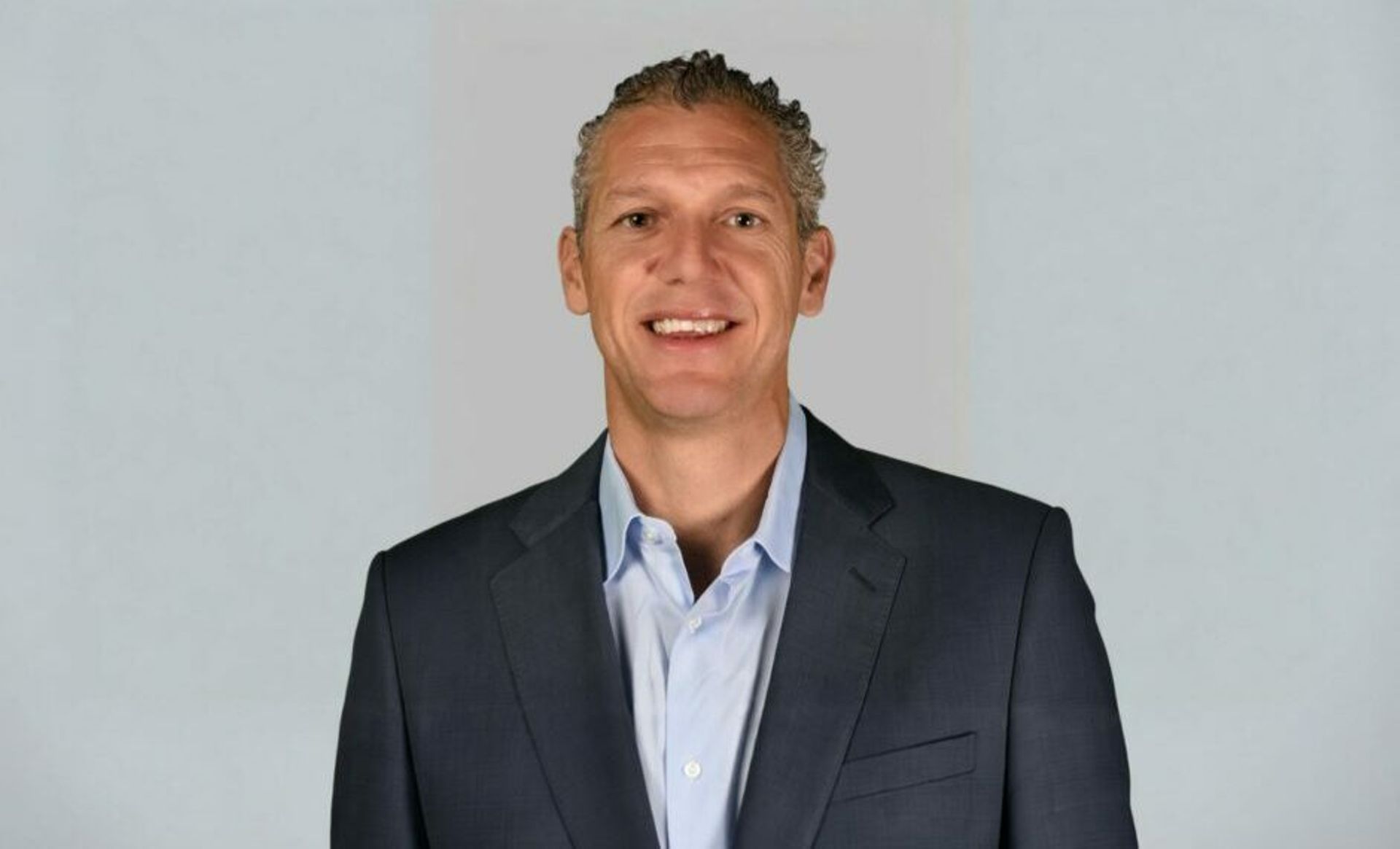
“Now it’s just a question of whether there is enough capital in the secondary market to supply the needs—and that’s a challenge which we wrestle with, because the supply is quite large,” said Nate Walton, Partner and Head of Private Equity in the Ares Secondaries Group.
Ares’ secondaries business manages $42.6 billion worth of assets, offering LP-led, GP-led structured solutions and GP stakes strategies across private equity, real estate, infrastructure, and credit.
In an interview with DealStreetAsia, Walton discussed the structural—rather than cyclical—nature of GP-led continuation funds; the dynamics of pricing power in the secondaries market; and why LP rollover rates are not a reliable indicator of asset quality.
He also addressed the role of structured solutions, the evolution of underwriting, and where Ares sees its long-term competitive differentiation.
Edited excerpts from the interview:
How would you compare the global secondaries market versus what is happening in Asia?
The global scenario in secondaries is very different from what’s happening in Asia. Globally, you have a lot of growth in the GP-led market—almost 50% of the market today. And it’s ultimately that 50% of the market being driven by GPs who want to take their best assets and buy them in partnership with secondary firms. Part of that is because they get to keep control of those assets longer and have a new economic opportunity. But, part of it also allows them to return money to their investors.
In Asia, the GP-led market is growing but remains broadly less developed than in the US and Europe, with secondaries activity still predominantly LP-led. This reflects a more limited buyer universe, a historically smaller buyout segment with greater exposure to growth and venture strategies and broader market fragmentation. As a result, while continuation vehicle adoption is accelerating, Asia generally remains at an earlier stage of the GP-led market maturity curve relative to the US and Europe.
Will increasing reliance on GP-led volumes create a concentration risk?
Data suggest just the opposite. Private equity volumes were generally down from 2021, while GP-led volumes doubled—it has been countercyclical. About 15% of all private equity volumes last year were driven by continuation funds. And we get the question the other way too—if private equity volumes go back up, will GP-leds slow down? I don’t think so, because the prior high was in 2021 when private equity volumes were booming and GP-leds were still happening at scale. GP-leds are not a cyclical phenomenon, but a structural solution to GPs wanting to retain control of their best companies for a longer period.
Does LP rollover behaviour signal conviction in the asset?
Almost not at all. LPs tell me all the time—and tell their own GPs—”I would have loved to roll, this is a great company; but I’m just not set up as an institution to do so”. The amount of rollover is not indicative of the quality of the business. The bigger structural issue is that these institutions were originally set up to make fund commitments—they don’t pick companies to buy.
Is there an increasing overlap between secondaries, private credit, and capital solutions?
Secondaries are increasingly being housed within large alternative asset managers, and there are real benefits to that. But the lines are pretty clear. Direct lending operates predominantly at the portfolio company level. Secondaries do not impact day-to-day operations at the portfolio company level, but rather provide liquidity solutions at the fund, LP, or GP level. What being part of a large alternatives platform does allow is a better understanding of private markets, portfolio companies, and GP performance. The synergies are real, but so is the distinction.
Could you touch upon the role structured solutions play in Ares’ secondaries business?
At Ares, we have been engaged in structured transactions for nearly 15 years. These structures primarily bring buyers and sellers together to address price discrepancies—particularly relevant for GPs and LPs in Asia, where many deals involve significant discounts and preferred returns can bridge the gap between buyer and seller expectations.
That said, structures are executed in collaboration with GPs, providing growth capital at the fund or management company level. The GP becomes our counterparty, subordinating their assets—GP commitments, management fees, or other assets—to use as collateral, allowing us to offer growth capital without requiring them to sell or raise equity, and giving us a downside-protected opportunity in return.
When I refer to GP solutions, it is very much about encouraging GPs to put more of their own capital at risk. A GP might say, “I will put up 3-4 times the GP commitment I made in my last fund because I truly believe in my fundraise, and I am willing to risk a significant amount of my own capital”. In the US market, we are much more focused on that scenario, because we can negotiate bilateral terms effectively.
How has underwriting evolved at Ares?
The methodology has not changed. Our job as a secondaries investor is to price market dynamics into our expectations and deliver good risk-adjusted returns to our investors. What changes are the variables—last year it was tariffs and Liberation Day, now it is supply chains and the war. The market shifts every year, and given you are buying assets on a quarterly basis, you are constantly repricing against those variables.
Where is Ares’ real differentiation in secondaries?
We will continue to spend more of our focus on GP-oriented solutions—that is where we feel we can offer a key competitive differentiator. We do still participate in the LP market, but the real differentiation in the secondaries market comes in the GP market long term.