Singapore-based Carousell Group announced on Tuesday that it has turned EBITDA positive in the financial year of 2025, as the online commerce platform leaned further into recommerce and transaction-led services to improve monetisation.
The company posted a revenue of $141 million for the year, up 18% from the previous year, according to a statement. Carousell did not disclose its net profit or loss, or the size of its EBITDA.
Recommerce revenue grew 40% year-on-year and accounted for 45% of total revenue during the year, the largest contributor to revenue growth according to the firm. The segment includes services such as integrated payments and shipping, professional inspection of luxury goods and mobile devices, and its “Sell to Carousell” programme, which lets users sell directly to Carousell and its recommerce partners.
The numbers point to Carousell’s ongoing attempt to move beyond its roots as a classifieds marketplace, where monetisation has traditionally been more limited, into a more transaction-led secondhand commerce platform.
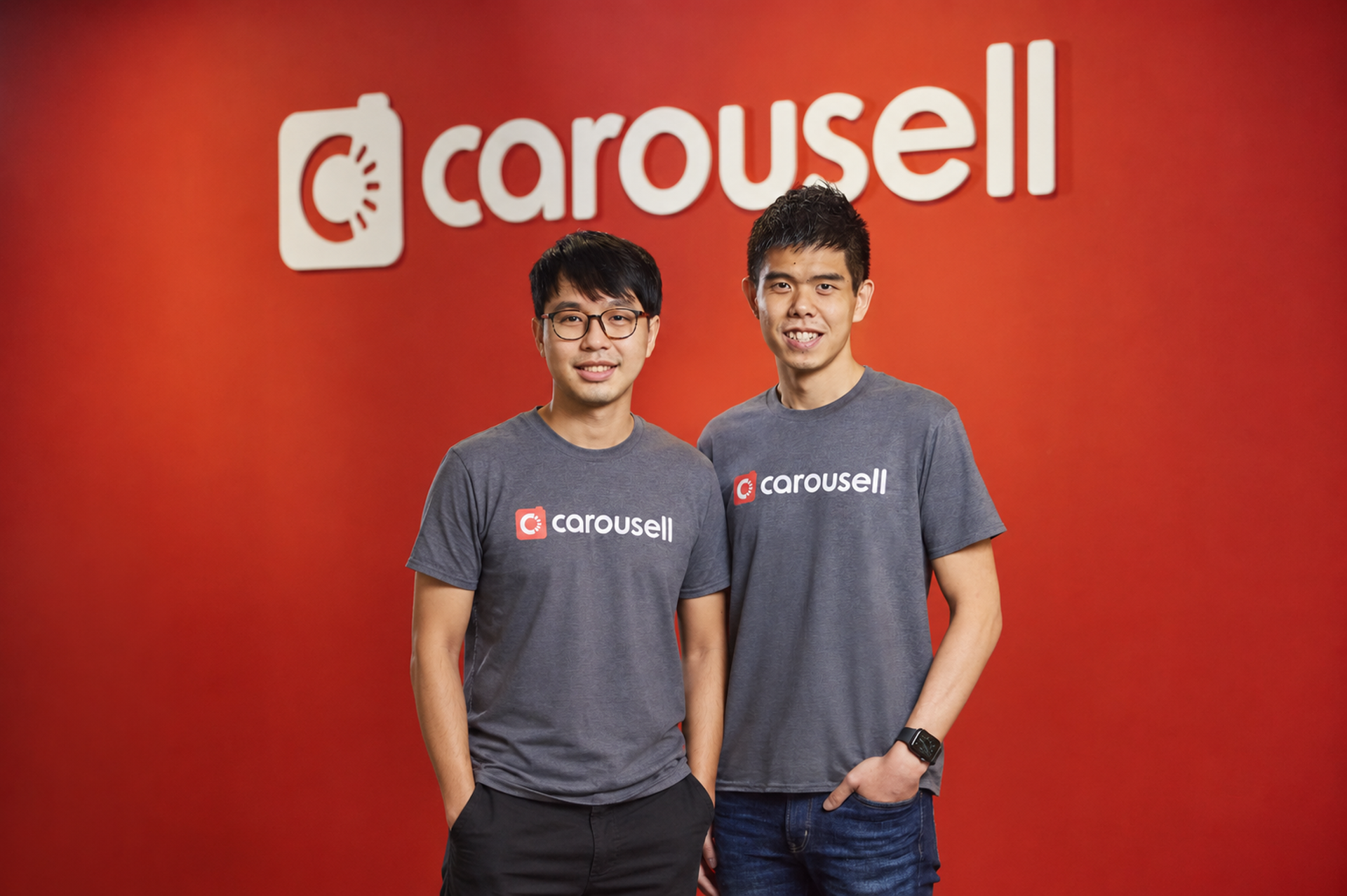
“Carousell Group today is a fundamentally transformed business from the marketplace we started as. We’ve evolved from a classifieds marketplace into a multicategory recommerce platform, with multiple revenue streams and a growing transaction business,” said co-founder and CEO Siu Rui Quek in a statement.
By the end of 2025, Carousell operated 29 physical stores across Singapore, Hong Kong, Malaysia, and Indonesia as part of its recommerce push. The company said these stores contributed to a more than 20% uplift in GMV across its luxury, mobile phones, and fashion businesses.
For this year, Carousell said it will continue to scale recommerce while investing in AI to improve marketplace trust, user experience, and operational efficiency.
“Carousell Group has spent over a decade building what others can’t easily replicate: scale, trust and a decade of buyer-seller behavior data,” said Shing Tai Leung, chief strategy officer of Carousell Group. “That data, drawn from billions of marketplace interactions each year, is what we’re now putting to work with AI.”