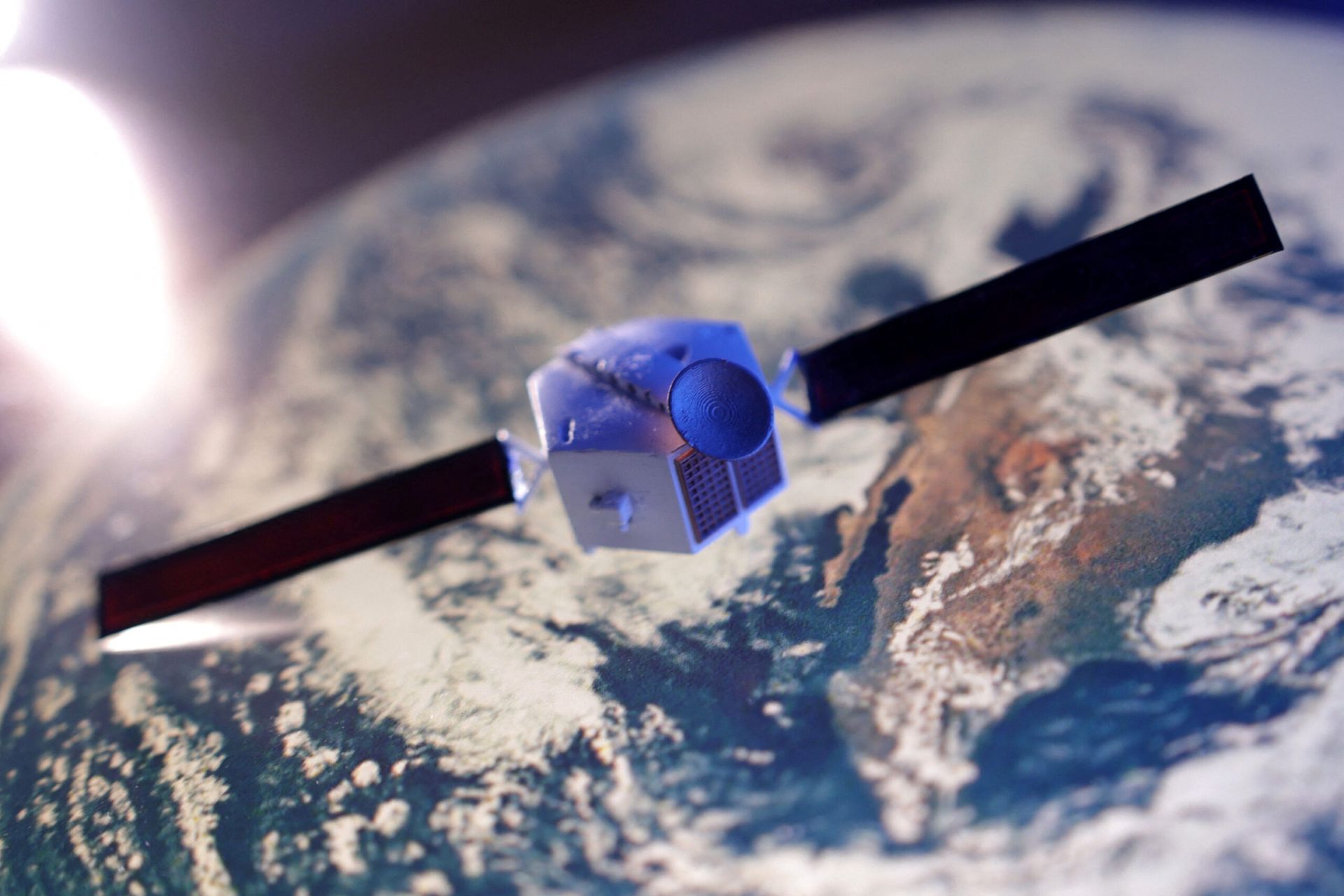
Indian space technology startup GalaxEye said on Tuesday it had secured a U.S. patent for a system that synchronises optical and radar sensors on satellites, strengthening its position in the fast-growing market for Earth imaging data.
The patent award comes at a time when demand for satellite-based intelligence is growing across security, agriculture, insurance and disaster-response applications.
The global commercial satellite imaging market, valued at $6.55 billion in 2024, is projected to more than triple to $20.15 billion by 2033, according to research firm SkyQuest Technology.
GalaxEye, which has so far raised around $21 million in funding, said the patent covers technology that synchronises optical and radar sensors to capture precisely aligned images of the same location simultaneously, delivering reliable Earth observation data even in cloud cover and darkness.
“This patented technology enables us to serve the global markets and provide weather-agnostic imaging capabilities across sectors,” CEO Suyash Singh said.
The startup, founded by IIT Madras engineers, plans to build a 30-satellite constellation over the next five years, backed by a growing commercial pipeline across domestic and international customers, it said.
In August, GalaxEye acquired Bengaluru-based spacecraft engineering firm StarOps to strengthen its in-house manufacturing and satellite system capabilities.
India expects its commercial space industry to be worth $44 billion within the decade and is encouraging private companies to invest in the sector.
Reuters