Asia’s climate transition isn’t short of capital. The harder question is whether the region can produce enough deals that commercial investors can actually finance – and then finance again.
The scale of the need is not in dispute. Southeast Asia alone will need an estimated $210 billion a year in green infrastructure to meet its climate goals, and current investment falls short. Globally, some $24 trillion in dry powder is searching for returns.
Yet that capital is not moving into the region at the pace required.
The constraint is no longer ambition. It is bankability.
Commercial investors hesitate to take development or construction risk. Many still see Asian infrastructure as complex and difficult, with returns that compare poorly with those in Western markets. And too many transactions remain one-offs: if the twentieth project is as hard to underwrite as the first, there is no market.
The tools built to bridge that gap are now being rebuilt.
Blended finance has helped bring private investors into projects outside their risk-return thresholds, but its structures are often bespoke and costly, and concessional capital is drying up. Development finance institutions are rethinking how they work – partnering earlier, leaning on the AAA ratings of multilateral lenders, and backing platforms rather than single projects. British International Investment (BII), the UK’s Development Finance Institution (DFI) with its $1.6 billion climate finance commitment for Southeast Asia over the next five years, is among those going back to the drawing board.
That creates both the central tension and the opportunity for the market.
Asia has the need, the rising energy demand and the capital waiting on the sidelines. Repeat tenders, platform-level financing and a new generation of blended finance funds are starting to show what can work.
But every deal still has to clear difficult questions around risk allocation, policy support, platform funding, duration, exits and repeatability.
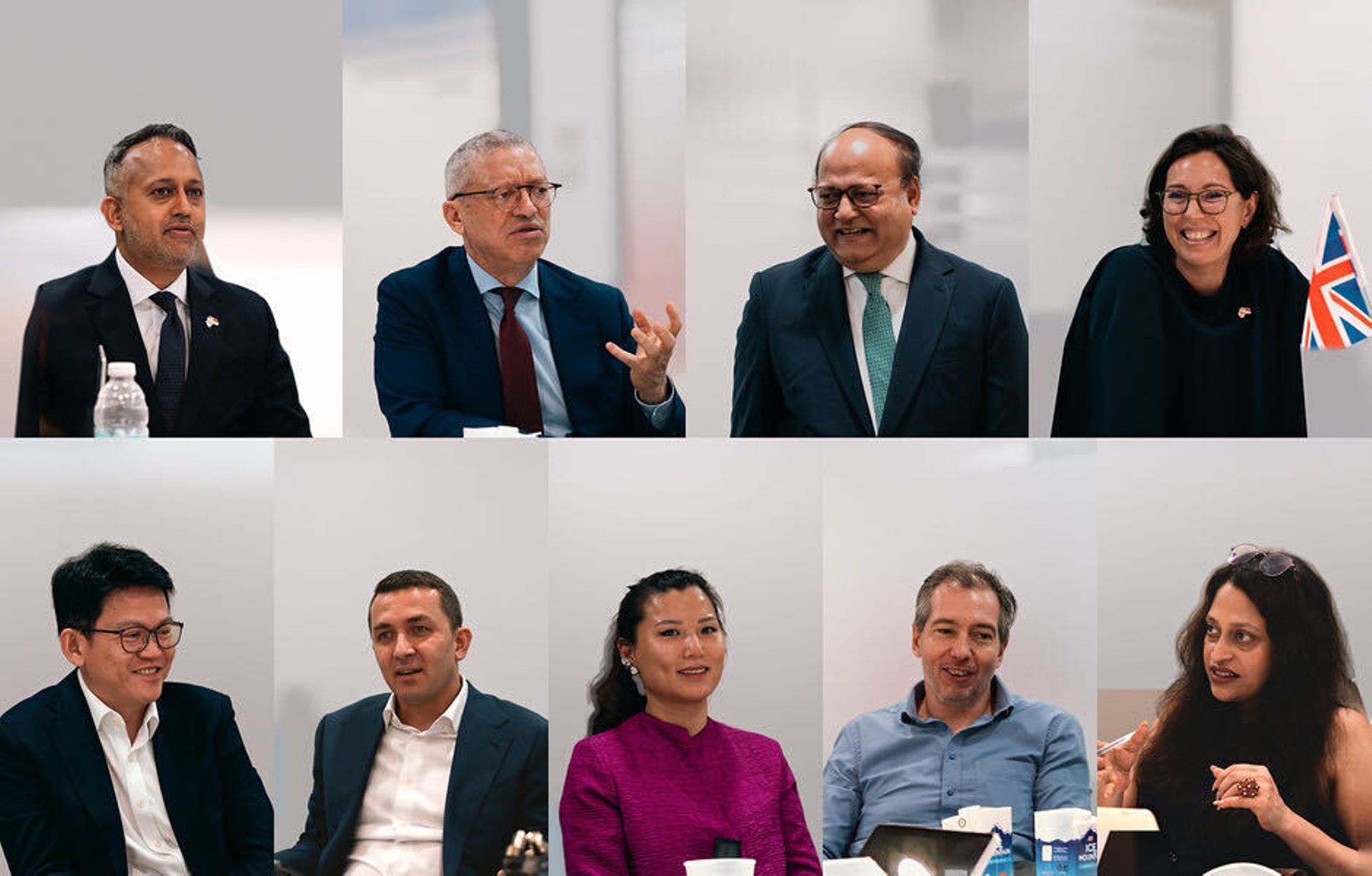
Against this backdrop, a DealStreetAsia Leadership roundtable co-hosted with BII (British International Investment) in Singapore brought together: Nik Mehta OBE, British High Commissioner to Singapore; Leslie Maasdorp, Chief Executive Officer of BII; Srini Nagarajan, Managing Director and Head of Asia at BII; Sarah Love, Regional Director for Climate, Energy and Nature, Southeast Asia, at the UK’s Foreign, Commonwealth and Development Office (FCDO); Sze Liang Lee, Director and Specialist Leader, Infrastructure and Blended Finance, at the Monetary Authority of Singapore (MAS); Marat Zapparov, Chief Executive Officer of Pentagreen Capital; Fi Dinh, Managing Director and Head of Fund Finance APAC at MUFG Investor Services; Joost van Acht, Chief Commercial Officer of ib vogt.
They examined where the market really stands.
For deeper insights, download the PDF of the DealStreetAsia Leadership Roundtable titled ‘From bankability to scale: Inside the effort to unlock Asia’s climate capital’.